Why Professional Photography Matters for Landscapers and Garden Designers
As a landscaper or garden designer, you know just how much thought, creativity, and hard work goes into every project. From the first sketch to the final planting, every detail is carefully considered to create a space that not only looks beautiful but works for the people who use it.
The challenge? Capturing all of that in a photograph.
While it's tempting to reach for your phone and snap a few pictures before moving on to the next project, professional photography can make a huge difference in how your work is seen and remembered.
Your Work Deserves More Than a Quick Snapshot
Have you ever stood in a finished garden and thought, "This looks amazing," only to find the photos don't quite do it justice?
That's because great outdoor spaces are about more than what you can see. They're about atmosphere, light, texture, and how the space makes people feel. A professional photographer knows how to capture those elements and bring them to life in an image.
The result is a portfolio that truly reflects the quality of your work.
First Impressions Count
For many potential clients, your website or social media profile will be the first place they encounter your business. Before they read about your experience or services, they'll look at your images.
Strong, professional photography immediately creates confidence. It shows that you take pride in your work and pay attention to detail. More importantly, it helps potential clients imagine what you could create for them.
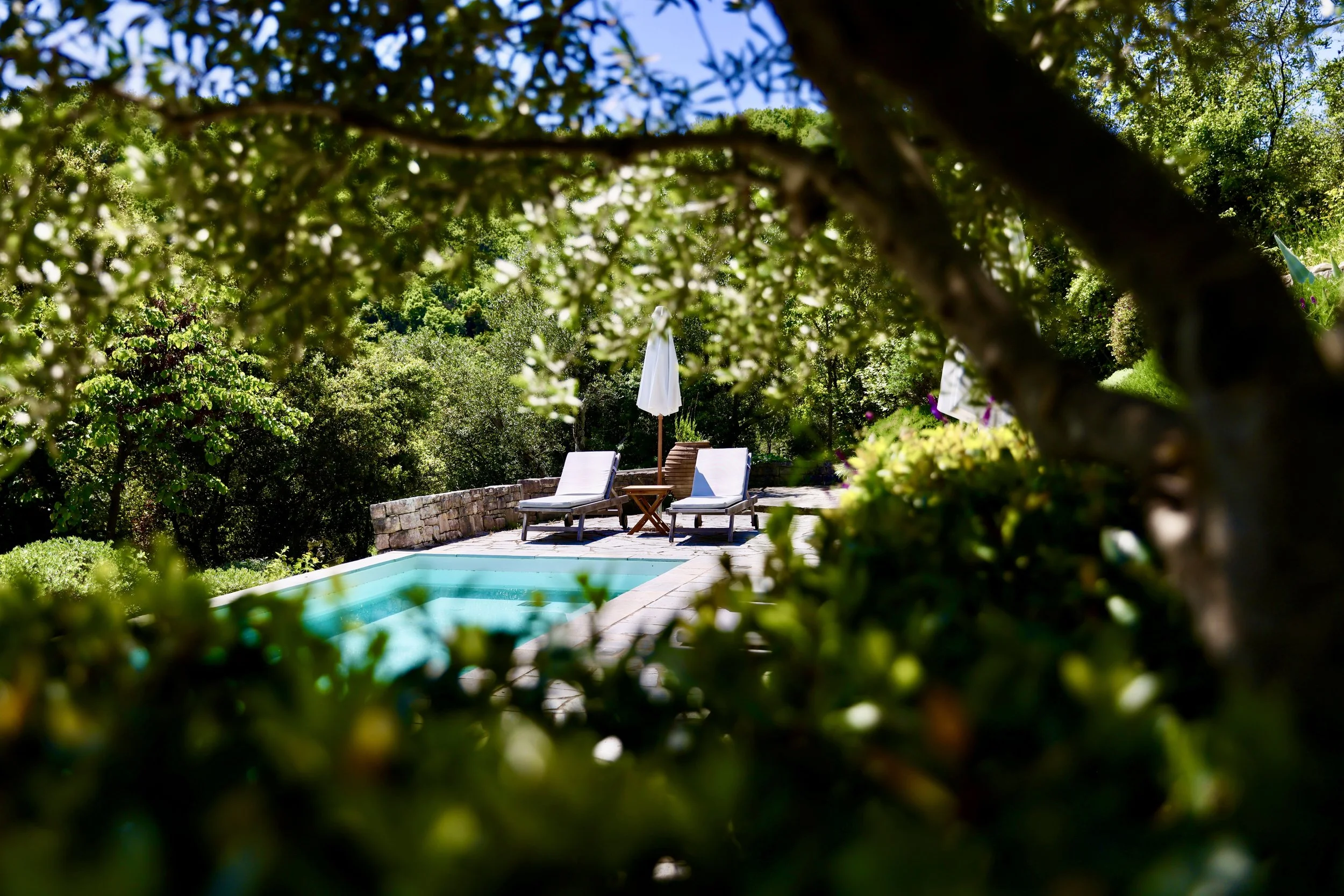
Great Photos Help Tell a Story
Every project has a story behind it.
Perhaps it was a neglected garden transformed into a family-friendly outdoor space. Maybe it was a contemporary design that connected a home with its surroundings. Or perhaps it was a planting scheme designed to evolve beautifully through the seasons.
Professional photography helps tell that story. It captures the character of the space and highlights the features that make the design unique.
A Valuable Marketing Asset
One professional photoshoot can provide content for months…or even years.
Those images can be used across your website, social media channels, brochures, award submissions, press features, and marketing materials. Instead of constantly searching for new content, you'll have a library of high-quality images ready to support your business whenever you need them.
Stand Out in a Competitive Industry
The landscaping and garden design industry is full of talented professionals. Professional photography can help ensure your work gets the attention it deserves.
When potential clients compare websites or portfolios, high-quality images often make the difference between someone scrolling past and someone making contact.
Simply put, beautiful photography helps beautiful work stand out.
Perfect for Awards and Publications
If you're considering entering industry awards or submitting projects to magazines and blogs, professional images are essential.
Editors, judges, and publishers are looking for photographs that showcase projects clearly and beautifully. Investing in professional photography can open doors to opportunities that might otherwise be missed.
An Investment That Keeps Working
Unlike many marketing expenses that disappear once the campaign ends, professional photography continues to deliver value long after the shoot is complete.
The images become part of your brand. They help attract new clients, strengthen your portfolio, and showcase the care and craftsmanship that goes into every project.
Final Thoughts
You've invested time, skill, and passion into creating exceptional outdoor spaces. Professional photography ensures that effort is properly represented.
Whether you're building a portfolio, updating your website, or simply wanting to showcase your latest project, professional images can help tell your story, attract new clients, and highlight the quality of your work in a way that snapshots simply can't.
After all, if you've spent months creating a beautiful garden, it's worth making sure it's remembered long after the last plant has gone in.